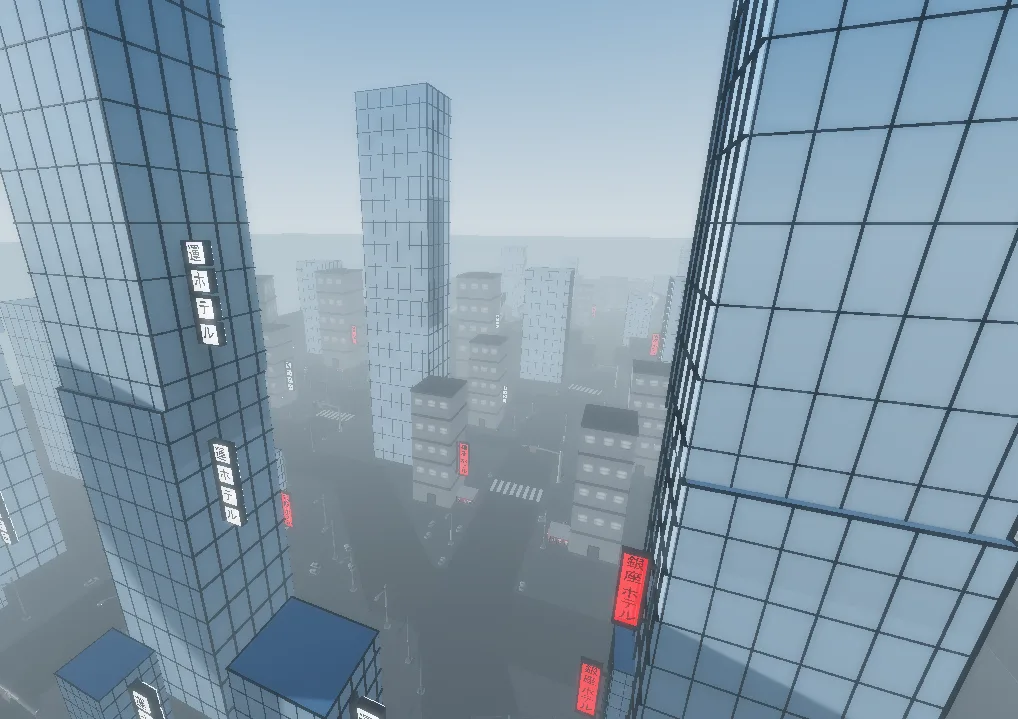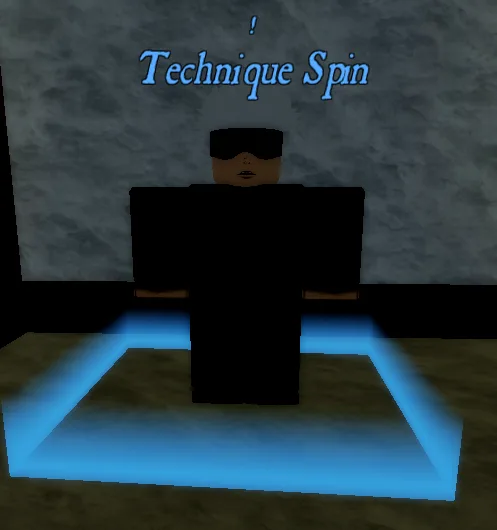
Spin types
Technique spins affect combat identity. The current Roblox description lists 23 techniques, which means the pool is wide enough that a casual reroll can move you away from a useful farming kit. Clan and race spins affect the rest of the build and should be handled after you know whether your technique supports quest clearing, boss bursting, or PvP pressure.
Codes such as ShinjukuShowdown can give all three spin categories. A mixed code should be redeemed before long farming sessions because it can change the best next objective. For example, a strong area technique makes the City quest chain more efficient, while a vessel-linked item can point you toward a specific boss.
Technique Spins are the easiest to evaluate because the result immediately changes combat. Test the roll against one enemy from your current route band and one higher-health target. Clan Spins and Race Spins are harder to judge quickly, so spend them after checking whether your planned boss drop or vessel-linked item actually needs that direction.
The current roster is broad but uneven in source detail. Roblox names 23 techniques, while only the badge-linked subset exposes drop hints or rarity language. That means a technique can be real without having enough public mechanics for a tier rank. Use the roster as a checklist, not as proof that every technique deserves the same reroll priority.


Reroll discipline
Stop rerolling when the build already solves the next content block. If your current technique clears five-target quests quickly, keep it until boss farming becomes the bottleneck. If boss drops are your goal, a technique with safer single-target damage may be worth more than a flashy area tool.
Server conditions distort test results. Public servers can include domain traps, griefing, or crowded spawns. Test a roll against repeatable enemies from the quest route before deciding that the roll is bad. A short controlled test saves more spins than chasing every tier-list claim.
A practical batch size is one reward source at a time. Redeem one current code group, roll until the result has a clear role, then run two checks: one quest target from your current level band and one boss or higher-health enemy. If the roll improves one check but fails the other, keep it only if that matches your next goal. This avoids the common mistake of measuring every technique against every activity.
Private-server testing is useful when a code or a build feels inconsistent. Destructoid marks Sorry as private-server-only, and public servers can add unrelated friction. If the reward is important, test the code in the right server context before deleting it from your personal list.
Keep a stop rule before opening the spin menu. Good stop rules are concrete: keep any roll that clears current quests safely, keep any roll that improves boss uptime, or keep any roll that matches a vessel-linked drop you are farming. Bad stop rules are emotional: keep rolling until the name looks rare, until a video says it is meta, or until all codes are gone.

Simple roll test plan
After a reroll, test movement, damage window, and downtime separately. Movement decides whether you can stay alive during boss attacks. Damage window decides whether the technique actually lands before an enemy moves or interrupts. Downtime decides whether the technique feels strong once but weak across repeated quest objectives.
For questing, test against the enemy row you are currently farming. A technique that clears five Plant Curse targets faster is better for level 50 progress than a boss-focused roll that looks impressive but leaves normal enemies alive. For boss farming, test whether you can pressure the target without taking repeated damage spikes.
Record only the practical outcome: keep, hold, or reroll later. Keep means it solves the next route block. Hold means it is useful but not aligned with the current goal. Reroll later means it fails both your quest and boss checks. This language is simpler than forcing a full tier list from incomplete public mechanics.
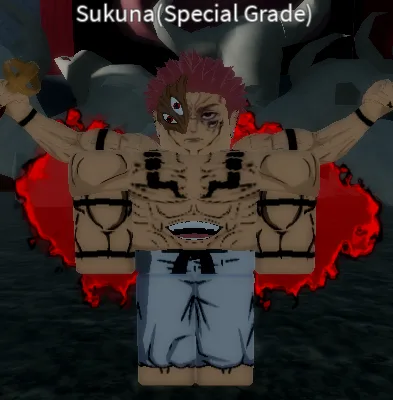
Do not compare a roll against every possible future build. Compare it against the next thirty minutes of play. If you are in Jujutsu School, judge quest speed. If you are entering City, judge safety against higher-health enemies. If you are farming Sukuna, judge boss uptime and survival. Context makes the same roll look different.
If a roll passes the current test, keep it even if a community tier list says another name is better. The cost of chasing a perfect roll is not just the spins you spend; it is also the lost route progress while you keep resetting. Upgrade only when the next objective exposes a real weakness.